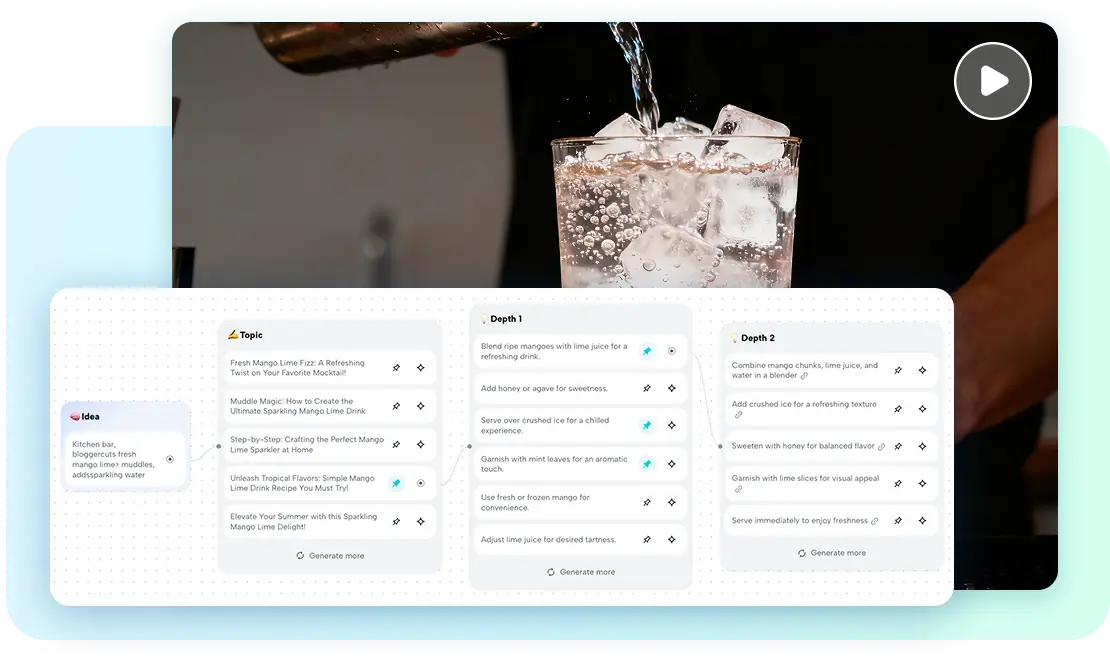
It may be difficult to make videos as a team. The process of organizing various thoughts, keeping time, and having the same visuals can easily become complicated. Even minor projects can be overwhelming as miscommunication and duplication of work may slow down the production. CapCut offers a practical solution through AI storyboard templates, providing a structured approach for team-based video creation. These templates help simplify the planning process, demystify the roles, and plan the working process so that all team members stay on track between the idea and the final edit. Through the combination of visual direction and automation, teams have the ability to increase creativity and reduce guesswork.
The reason Teams should have Structured Storyboards
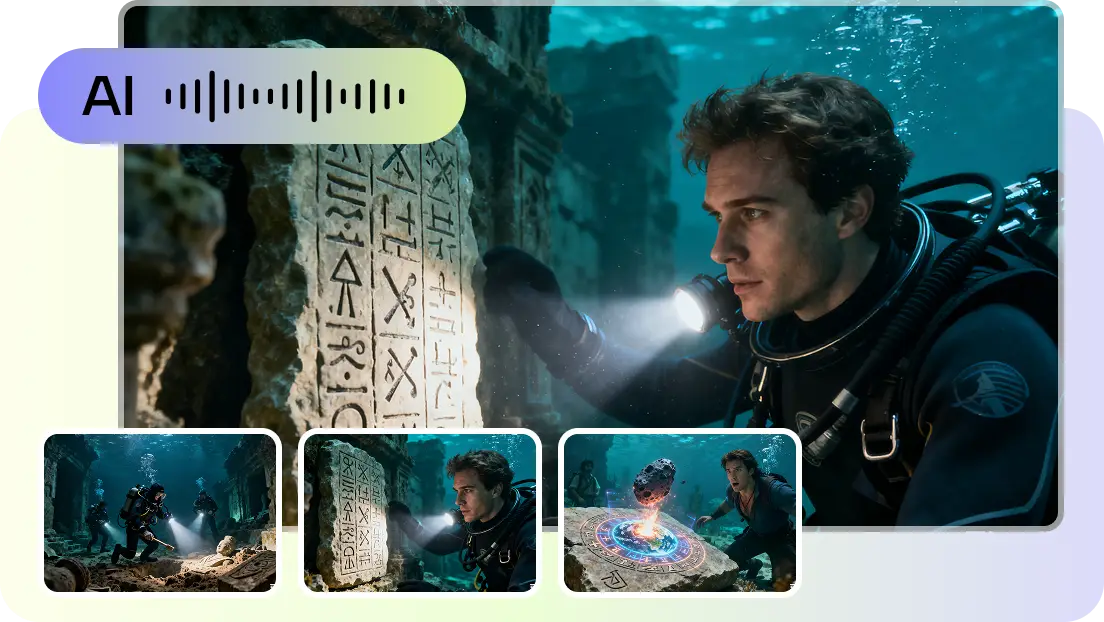
The problems that are common in team video projects include unstable pacing, indistinct transitions between scenes, and competing creative visions. Even without a common point of reference, one editor might have a different interpretation of a scene than another. The solution to these problems is that templates provide a central visual guide. They describe every scene, establish sequence sequence and give precise guidance regarding transitions and timing. This common visual reference guarantees the congruency and clarity of all positions. Through the efficient separation of work, teams can distribute work without overlaps. Last minute changes are also minimized using structured storyboards which keep projects on track.
Artificial Intelligence Features to Facilitate Teamwork
CapCut’s AI storyboard templates come with advanced features that improve team collaboration. Automatic shot breakdowns split scripts into separate scenes, which clearly gives a visual order to the editors, designers, and writers. Cloud-based collaboration in real-time enables two or more team members to collaborate in real-time, commenting, editing images, or modifying captions without versioning issues. Templates are used to remove the guesswork, and it keeps the style, tone, and pacing consistent. Using an AI writer, teams can convert written ideas into storyboard layouts instantly, saving hours that would otherwise be spent manually arranging shots. This automation and centralized management format is a smooth flowing and predictable project advancement.
Concentrating Scripts, Graphics and Edits to Teams
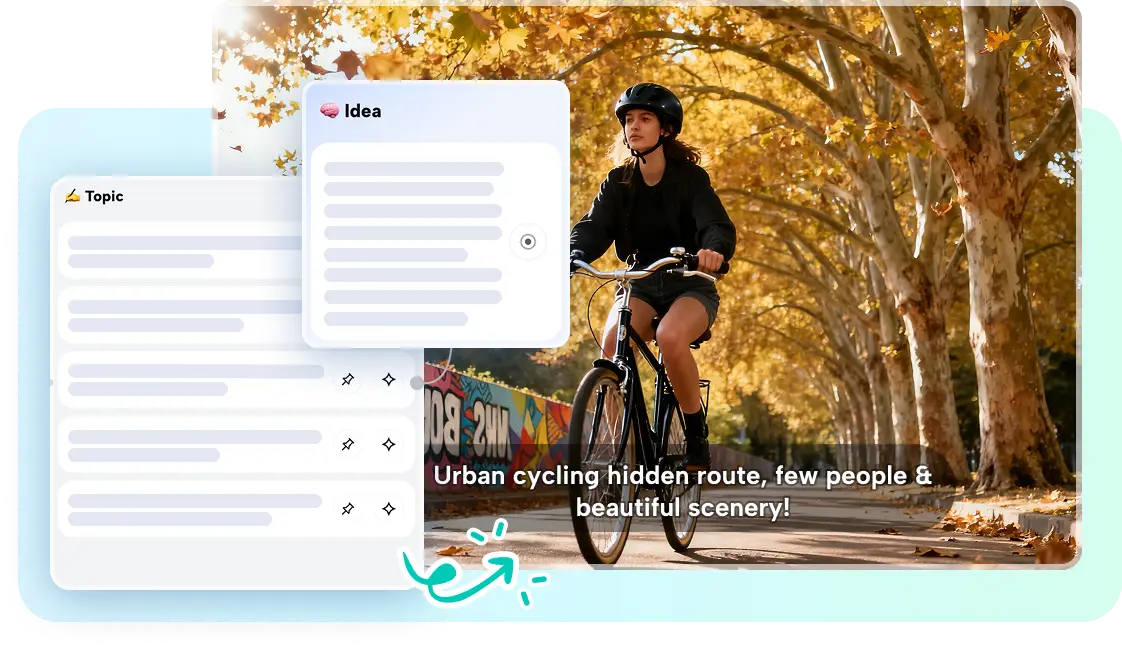
It is important to have everything under a single roof to be efficient. CapCut enables teams to manage scripts, captions, scene requirements and visual instructions within one project. Members have the opportunity to customize AI-generated layouts and comment on it within the storyboard. Such centralization will reduce unnecessary duplication of efforts and edits. Scenes can be easily changed, images can be updated, or pacing can be altered by the teams without losing the track of the progress. The centralized management will ensure that all members of the team will be using the same storyboard and ensure that there is cohesion in all creative inputs.
Steps to Organize Team Projects Efficiently Using AI Storyboard Templates
Step 1: Launch Team Storyboarding Tools
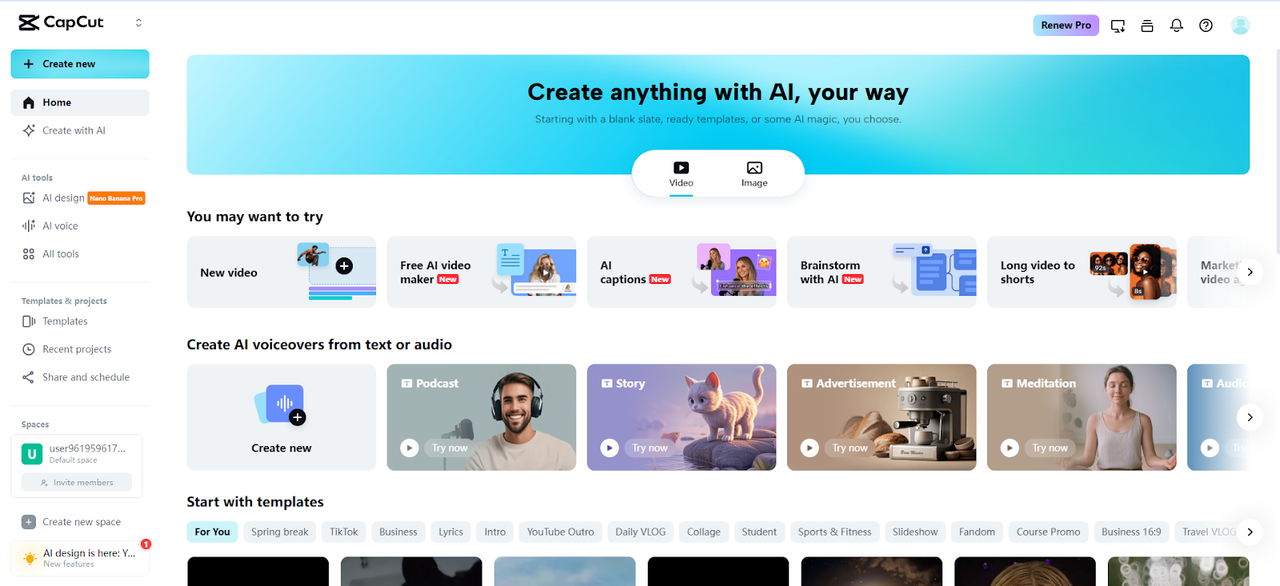
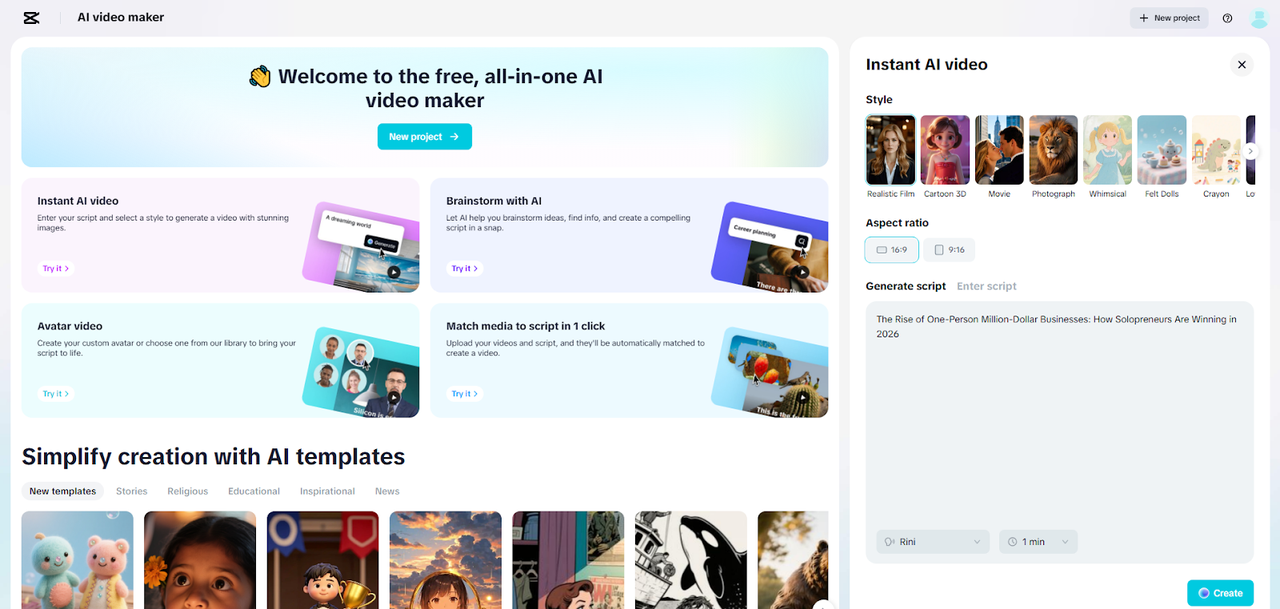
You open the editor and go to the main dashboard. You click “Free AI video maker” to access shared AI creation tools. Then you select “Instant AI video” to prepare a reusable storyboard template for teamwork.
Step 2: Structure the Project with Shared Script Input
You select the project style that aligns with your team brief. You enter your idea into the “Enter script” box or allow “Generate script” to build a storyboard outline for the team. You choose the aspect ratio such as 16:9 or 9:16. You set storyboard length and narration tone. Then you click “Create” to generate a complete storyboard with structured scenes and visual cues that all team members can follow.
Step 3: Add Shared Media and Layout Elements
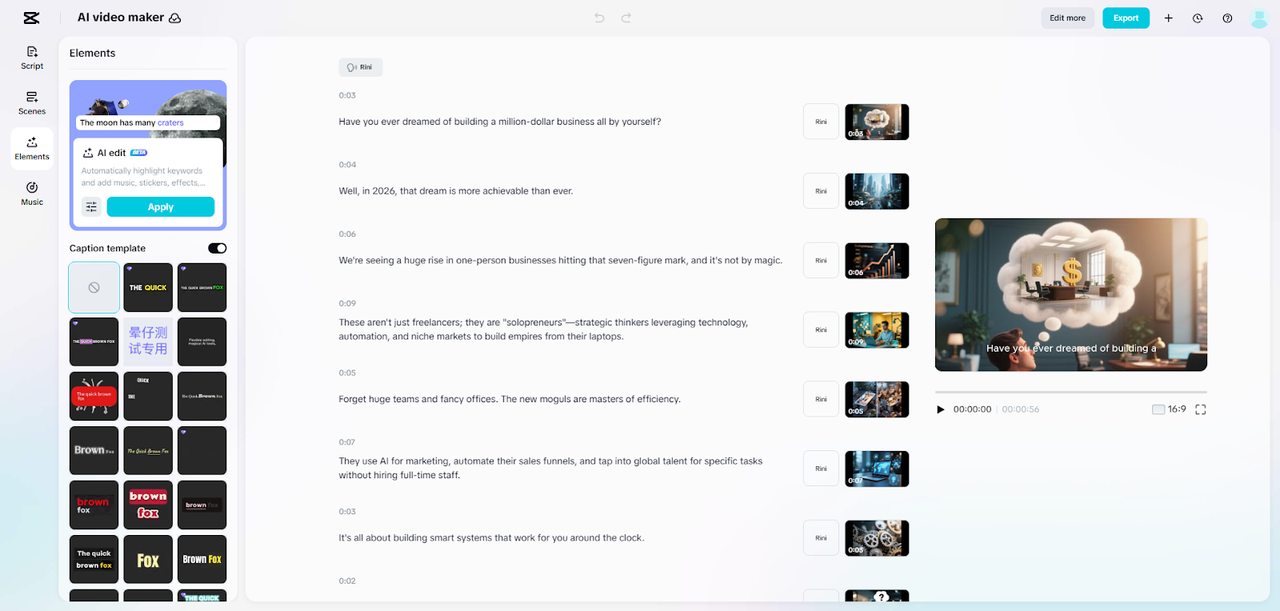
You click “Create” to load the structured storyboard. You open the “Music” panel to insert a recommended track for the project. You move to “Elements” to select caption templates that keep layouts uniform across all team edits.
Step 4: Export a Team-Ready Version
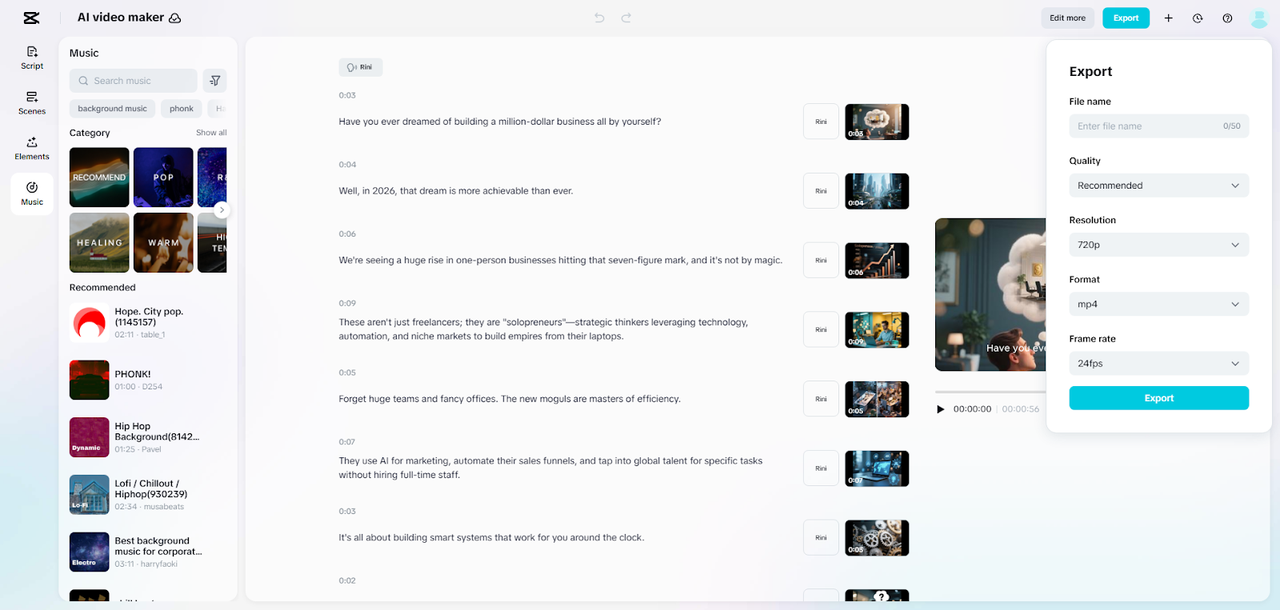
Once collaboration edits are complete, you click “Export” to select resolution, format, and frame rate. You click “Export” again to save a finalized version ready for team delivery or review.
Using AI Storyboard Templates to Define Roles and Responsibilities
AI storyboard templates enhance role clarity within teams. The editors can work on the arrangement of the clips in the sequence of the scenes, and the designers work on the visual aesthetics and the motion elements. Authors are able to focus on the script changes or accuracy of captions without disrupting editing work. The allocation of roles by assigning them to scenes helps teams to eliminate redundancy and ensures there is clear ownership. Storyboards allow visual mapping of the communication process and it does not require frequent check-ins. Every member is aware of what to deliver and interdependence between tasks becomes easier to monitor. Organized storyboards also help new members of a team to learn project flow faster, reducing the onboarding period.
Multi-Platform Deliverables Management with Unified Templates
Creating content across a variety of platforms creates aspect ratio, transition, and pacing complexity. AI storyboard templates provide a unified approach to handle these variations. The storyboard can serve as a foundation to be used by teams when modifying visuals to be used in YouTube, Tik Tok, Instagram, or other apps. The templates instruct the editors on what modifications must be made, and all versions are consistent. The aspect ratio planning is essential to make sure that every version of the platform maintains the main storytelling features. Teams are able to develop variants effectively without affecting quality and save time and reduce errors when it comes to production across platforms.
Managing Projects: Revisions and Updates
Video projects also need several revisions, and it may disrupt the working process unless it is monitored. The cloud version of CapCut provides control of versioning ensuring all the updates are saved safely and are accessible to the team. Members are able to re-create scenes, revise scripts or change captions, without losing previous work. AI storyboard templates provide a structured framework for tracking progress, ensuring every change aligns with the overall plan. Teams are able to re-do any production step, compare versions, and keep track of changes effectively. Such a systematic method minimizes the confusion, speeds up the revision process, and assists in staying with the target creative course during the life cycle of the project.
AI storyboard templates transform team workflows by providing a structured, visual framework for video creation. CapCut focuses on scripts, scenes, captions and audio to clarify roles and collaborate. Teams eliminate guesswork, define responsibility, support cross-platform production and achieve professional output more expeditiously. There is online storage and version control that are useful to maintain the order of the projects despite multiple revisions. A systematic storyboard ecosystem helps teams to focus on creativity, be consistent, and deliver projects effectively. The capabilities offered by the AI-driven CapCut are the perfect solution to teams that require being clear, productive, and experience a seamless cooperation when producing videos.